Posts
International Workshop: Intellectual Furniture. A (Pre-)History of Large Language Models
August 18, 2026
Workshop Intellectual Furniture LLMInternational Workshop, University of Basel,
10.–12. September 2026.
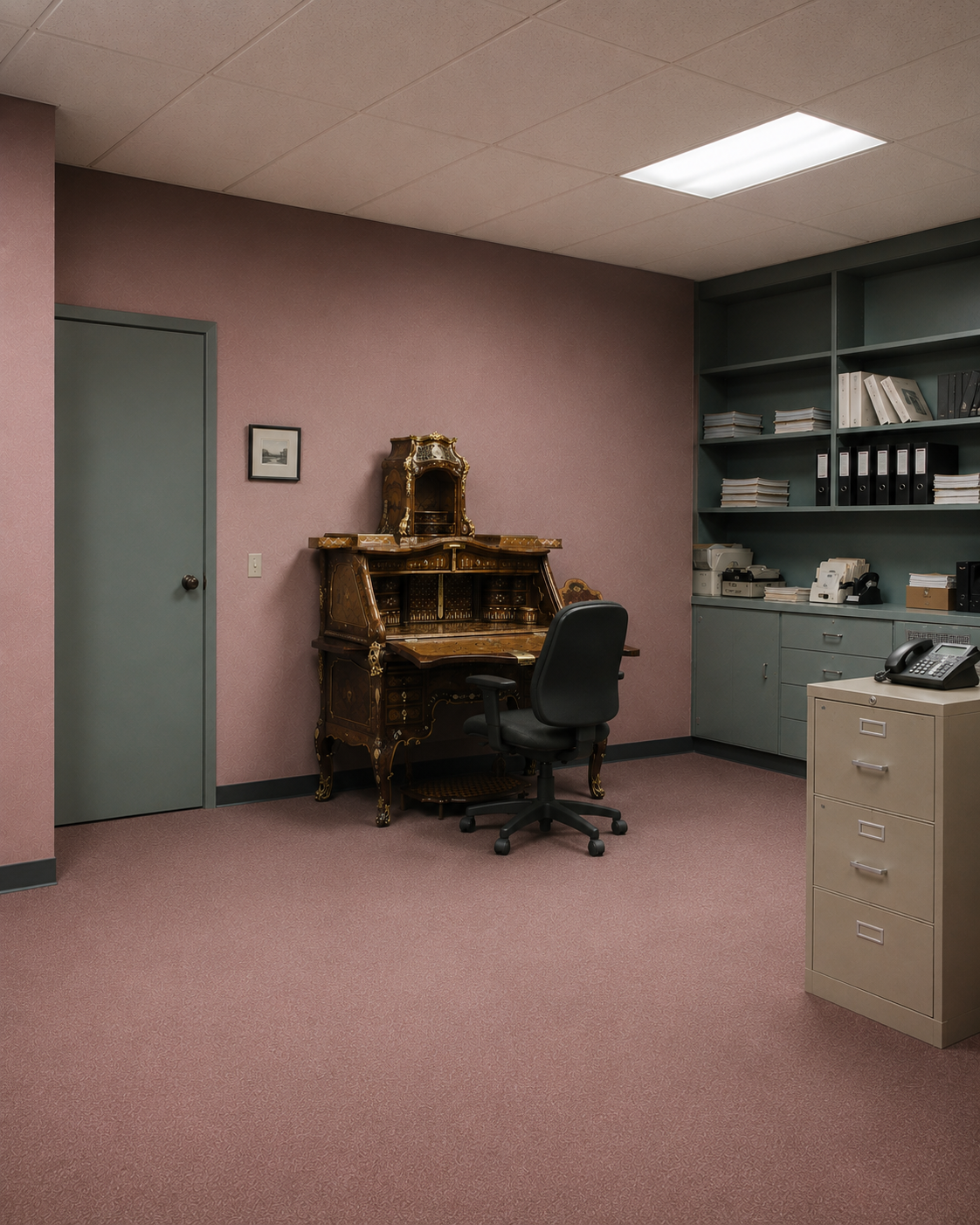
We bring together scholars and historians of note-taking and media devices with curators and art historians with an expertise in writing desks and intellectual furniture of all kind in order to carve out the main lines and avenues of the precursors of today’s large language models. We want to sound out the differences and also the similarities between historical ways of interacting with »intelligent« devices and the strategies of current interactions with AI models.
Download the workshop poster with the full program here.

Call for Papers: Intellectual Furniture. A (Pre-)History of Large Language Models
March 4, 2026
Call for Papers Intellectual Furniture LLMInternational Workshop, University of Basel,
10.–11. September 2026
With a retrospective look on the long media history of artificial intelligence focussing on scholars/literary authors and their writing aids, we want to sound out the differences and also the similarities between historical ways of interacting with »intelligent« devices and the strategies of current interactions with AI models. While taking a look at the foundations of (electronic) computability as well as at varying constellations in which an actor, using specific rules and strategies, enters into an intellectual dialogue with a device in order to jointly arrive at new thoughts, the workshop indulges in different genealogies of devices to think with while asking for case studies, scenarios, histories and analytical accounts of intellectual furniture from the early modern period to the presence in order to discuss different types of »large language models« before and within the era of today’s AI models.

The research project »Assisted Thinking« pursues a long history of artificial intelligence by examining the interaction between scholars and their devices which help to organize their knowledge. This history spans a period of at least 350 years, gradually providing the building blocks that have led to the way that LLMs of the present function. The basic assumption of such a genealogical development is by no means to reconstruct the precursors of today’s technology of generative language models in a kind of teleological historiography, guided by the assumption that all these developments would have necessarily always culminated in LLM technology. Rather, the aim is to show how, under different technological conditions in past epochs, the relationships of users to their intellectual furniture have in each case led to new arrangements, practices, and descriptions that are characterized by the fact that jointly, through the interaction of humans and machines and through the distribution of their agency, they create an artificial intelligence in its own right.